
Have you ever wondered why bitcoin mining rules can seem so different from one place to another? In Japan, rules are strict to protect the financial system, while in countries like China and Moldova, heavy limits or outright bans are put in place because of concerns over energy use and security.
This article breaks down these differences in a way that's easy to follow. It shows how each country shapes its mining policies and how these rules affect miners and local economies. The changes in regulation ripple through global markets and impact everyday financial practices in a big way.
Global Landscape of Bitcoin Mining Regulations
Bitcoin mining rules change a lot from one country to another. Some countries welcome mining by setting up clear rules and systems to monitor the industry and keep finances safe. For example, Japan makes miners follow firm standards under strict financial control, while countries like Germany and France have strong rules that cover taxes and energy use.
In other places, governments decide to limit mining in special ways. In South Korea and the United States, miners must stick to energy use limits and new rules that pause fossil fuel projects. In Canada, regions like Quebec enforce a strict permit system and Manitoba has temporary bans. These countries use measured restrictions to balance environmental care with economic needs.
Then there is a group of countries that have very few or even no specific mining rules at all. Russia, Alberta in Canada, and many nations in Africa offer a more relaxed setup, which can be attractive to miners looking to avoid extra hurdles. On the other hand, some countries have completely banned mining. China has cracked down heavily on the activity and Moldova has imposed a full ban because of worries about energy security and financial risks.
| Regulatory Category | Example Countries |
|---|---|
| Fully regulated | Japan, Germany, France |
| Regulated with restrictions | South Korea, USA, Quebec (Canada) |
| Permissive/no regulation | Russia, Alberta (Canada), most African countries |
| Banned | China, Moldova |
Asia-Pacific Bitcoin Mining Regulations
China
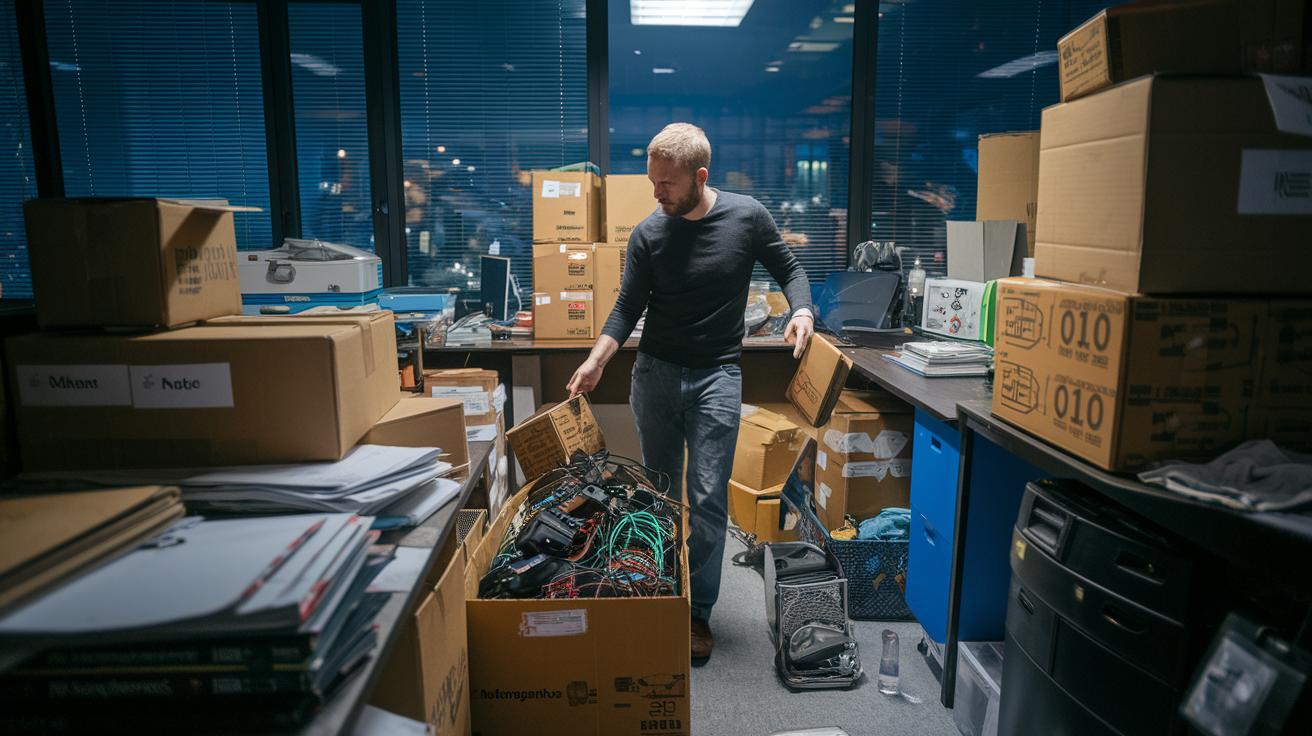
Back in 2017, China started cracking down hard on bitcoin mining. The government actions took a big bite out of the network's global mining power. By 2021, key mining spots like Xinjiang, Inner Mongolia, and Sichuan had to shut down, and many companies found themselves scrambling to move their operations elsewhere. Some even turned to renewable energy to keep up with new rules. Picture a miner quickly packing up an entire office overnight just to stay in business.
Japan
In 2017, Japan legalized bitcoin mining under its Payment Services Act. Every miner needs to register with the Financial Services Agency, which sets clear rules on security, anti-money laundering (which means practices to stop illegal money moves), customer protection, and transparency. This structured approach gives miners a solid legal framework and lets them work confidently in a well-regulated space.
South Korea
South Korea allows mining, but with strict energy caps to keep the power grid stable. In 2018, they put in extra rules to fight anonymous trading and enforce anti-money laundering measures. Lately, there's been a push to treat crypto assets much like securities, which could add more layers of oversight. These steps aim to balance the lively world of mining with the need for energy stability and precise financial rules.
India
India hasn’t set firm legal guidelines for bitcoin mining yet. However, the market vibe is positive, and drafts of potential rules are in the works. Many expect clear guidelines to appear soon, offering miners a stable path forward and a structured environment for growth.
Europe and CIS Bitcoin Mining Regulations
European Union (Germany & France)
In the European Union, bitcoin mining follows clear and strict rules. For example, in Germany, mining companies must get official permits from their financial watchdog. They also need to send in careful reports about how they use energy. This means they must show both financial openness and a real effort to manage energy consumption. In France, mining profits are taxed and monitored closely. All these rules work together to create a safe space for innovation while keeping a close eye on finances and energy use. It’s a bit like checking every box on a long to-do list to ensure everything runs smoothly.
Moldova
Moldova tells a very different story. It used to be a place where mining was unregulated, almost like the wild west of bitcoin. But when energy shortages and regional issues became a big problem, things changed fast. By August 2022, the government said, "Enough is enough" and banned bitcoin mining altogether. Imagine running your business and, almost overnight, having to shut your doors because the energy just wasn’t there. That’s what happened with many local miners.
Russia and Surrounding Markets (Kazakhstan & Ukraine)
In Russia, bitcoin mining is allowed but without many detailed rules from the state. Although there are talks about adding requirements for registration and taxes, nothing firm has been decided yet. This open-ended approach attracts many miners, even though some worry about its impact on the environment. Nearby countries like Kazakhstan and Ukraine offer lower electricity costs and fewer red tape hurdles. This makes them popular spots for miners who want to keep costs low and maintain flexibility. It’s similar to choosing a smooth, less bumpy road when you’re planning a long journey in the mining world.
Americas Bitcoin Mining Regulations by Country
United States
In the United States, there isn’t one big rulebook for Bitcoin mining. Instead, rules can differ quite a bit from state to state. For instance, New York put a two-year hold on new mining projects that use fossil fuels, showing its strong drive to cut carbon use. Meanwhile, in Washington, miners are expected to use renewable energy to lessen their environmental impact. And don’t forget, the IRS sees mining rewards as taxable income, so if you earn coins, you must report their fair-market value, sort of like noting down your daily paycheck.
Canada
Canada takes a varied approach. In places like Quebec, miners need to secure permits and keep a close eye on their energy use. Then there’s Manitoba, which recently went on an 18-month break to guard local resources. In Alberta, miners just follow the standard environmental laws without any extra crypto rules. In short, if you’re a miner here, you need to check your local regulations, like asking yourself, “Do I need a special permit here, or just the usual energy rules?”
Paraguay
Paraguay is a standout when it comes to mining because of its low-cost power, which can be a huge draw for large-scale operations. Since August 2021, miners there must register, follow environmental and security standards, and pay taxes. Even though a proposed mining bill in 2022 didn’t pass, there’s still some oversight in place. This setup blends the appeal of affordable power with solid regulations, creating a controlled yet promising space for mining.
Permit and Licensing Procedures for Bitcoin Mining Operations
Registering a permit for Bitcoin mining looks similar in places like Japan, Germany, Washington, and Quebec. However, recent changes have added some fresh twists. For instance, Japan now requires digital submissions for AML (Anti-Money Laundering, which is about preventing illegal money flows) and cybersecurity reports. This means you must keep electronic records and complete real-time security checks.
In some parts of the EU, if you run a remote mining setup, you’ll have to prove that your energy use meets the latest green rules. And here in the U.S., a few local spots have rolled out systems that check renewable energy reports almost instantly, making sure your filings match your current power use.
Here are the key updates you need to know:
| Update | Description |
|---|---|
| Digital AML and Cybersecurity Reporting | Submit electronic records and perform real-time security audits. |
| Extra Energy Use Checks | Remote facilities must validate compliance with new energy guidelines. |
| Renewable Energy Data Verifications | Real-time validation ensures filings reflect current power usage. |
Imagine sending your digital compliance report and quickly receiving an electronic confirmation, almost like watching a secure digital vault check its status in real time.
Environmental and Energy Consumption Regulations in Bitcoin Mining
Australia is rolling out new rules that shape how Bitcoin mining uses energy. In Western Australia, mining sites need a license and must follow a special pricing plan during busy hours. Did you know that during these times, miners pay extra for energy? This extra cost helps slow down overuse. Meanwhile, Queensland and New South Wales stick to broad environmental rules that encourage smart and responsible energy practices.
Taxation and Financial Reporting Requirements in Bitcoin Mining
In the United States, mining rewards count as regular income according to the IRS. This means that when you receive coins, you jot down their market value just like you’d note your daily earnings. Imagine writing, “Earned coins today at $40 each” to keep your records tidy.
In France, miners must follow special tax rules and file thorough reports on their profits. It’s a lot like listing every single item on a restaurant bill, where every income and expense is clearly shown.
In New Zealand, miners can subtract costs like hardware, electricity, and internet bills from their earnings. Basically, you reduce your taxable income by taking these expenses into account, much like deducting costs from your monthly expense report.
In Paraguay, registered miners are required to pay the standard corporate or personal income tax. And in Japan, strict guidelines are in place. The Financial Services Agency insists on complete transparency, careful anti-money laundering measures (rules that help stop illegal money practices), and detailed tax filings. These clear-cut standards help ensure that every miner’s financial report is as organized and straightforward as a well-kept balance sheet.
Future Trends in Bitcoin Mining Regulations by Country
Looking ahead, many countries are gearing up to change how bitcoin mining works. In Russia, new draft measures could soon require miners to register and meet updated tax rules, making the process more straightforward. South Korea’s plans for 2023 hint at treating crypto assets much like securities, which means they might be under closer watch.
The European Union is also stepping in by pushing for tougher energy-efficiency rules across all member states. This move is all about making sure mining operations stick to strict environmental standards. In the United States, discussions about aligning federal guidelines aim to balance eco-friendly practices with a warm space for innovation. It’s almost like putting together a checklist where every new rule brings clarity and stability.
Around the world, governments are clearly focusing on investor protection and sustainable methods. Soon, we could see a new wave of rules setting a transparent, steady benchmark for the bitcoin mining industry.
Final Words
In the action of exploring the global breakdown, we walked through regulations in Asia-Pacific, Europe, the CIS, and the Americas. The post compared various legal setups, from strict permit systems to outright bans. It also highlighted environmental, taxation, and licensing requirements while addressing future policy trends. This snapshot empowers a clearer view of bitcoin mining regulations by country. Moving forward, stay engaged and positive as these policies continue to shape the financial moves of tomorrow.
FAQ
How can I find Bitcoin mining regulations by country (pdf, map, 2022)?
Bitcoin mining regulations by country appear in various formats like PDF reports and maps that summarize 2022 data. These resources break down legal rules and energy policies across different regions.
What does the cryptocurrency banned countries list include?
The cryptocurrency banned countries list details nations that prohibit crypto activities due to energy concerns or financial risks. This helps users know where mining or trading digital currencies is off limits.
Which countries use Bitcoin actively or recognize it as legal tender?
Bitcoin use spans countries with active crypto communities and nations like El Salvador that have made Bitcoin legal tender. This reflects diverse regulatory approaches and a mix of traditional and innovative financial systems.
Which country banned cryptocurrency recently?
Moldova is the country that recently banned cryptocurrency. It imposed a full mining ban in August 2022, driven by issues such as energy shortages and market stability concerns.
Is mining Bitcoin illegal in the US and how is it regulated?
The US legalizes Bitcoin mining but follows a patchwork of state and local rules. Mining rewards count as taxable ordinary income, and some areas require renewable energy usage or limit fossil-fuel reliance.
Which country is known for strict Bitcoin regulation?
Japan is known for strict Bitcoin regulation. The Financial Services Agency enforces mandatory registration, robust security measures, and anti-money laundering rules to protect consumers and maintain market standards.
Which country is best for Bitcoin mining?
The best country for Bitcoin mining depends on energy costs and policies. Regions in Canada, certain US states, or parts of Russia offer favorable conditions due to lower energy expenses and supportive regulatory environments.
How do cryptocurrencies like Dogecoin, XRP, Ethereum, Shiba Inu, Litecoin, and Bitcoin Cash interact in the market?
Cryptocurrencies such as Dogecoin, XRP, Ethereum, Shiba Inu, Litecoin, and Bitcoin Cash each play different roles, from alternative payment systems to platforms for smart contracts, thereby broadening the digital asset ecosystem.


