
Ever thought about how regular devices might work together on their own? Picture smart contracts (self-executing deals that take action automatically when conditions are met, like a robot that fixes errors) handling issues without anyone stepping in. It’s like a team that knows exactly what to do when a tight deadline approaches.
In a world with billions of connected gadgets, this blend of smart contracts and IoT (internet-connected devices such as smart home tools) is really boosting efficiency. Think of it as simple if-then rules that manage secure, automatic actions everywhere, from our cozy homes to busy factories.
Stick around, and we'll explore how this smart mix can make everyday tasks run a lot smoother.
Fundamentals of Smart Contract Integration in IoT Systems

IoT devices are handy gadgets like wearables and smart appliances that collect everyday information, think temperature, location, and speed. With over 25 billion devices expected by now, these sensor networks work almost on their own, offering real-time insights to both businesses and everyday users. Picture a factory where sensors keep checking how machines perform, constantly feeding fresh data into the system. It’s like having a heartbeat for every operation.
Smart contracts are digital deals that run automatically on blockchain networks like Ethereum and Cardano. They work using a simple if-then rule: when a sensor sends the right information, the contract kicks into action all by itself. Blending smart contracts with IoT means you get the best of both worlds, secure, error-free transactions and trustworthy data straight from the source. This setup makes sure all actions, whether it’s processing payments or updating devices, happen smoothly and transparently.
- Sensor data collection
- Oracle validation of off-chain inputs
- Smart contract execution on trigger
- Consensus verification by nodes
- Immutable ledger recording
Together, IoT devices and smart contracts build a secure, automated system where each part plays its role perfectly. From gathering sensor data to recording every transaction in an unchangeable ledger, this integrated approach cuts down on mistakes and ramps up efficiency. In short, it’s a robust, transparent network that handles everything, from everyday tasks to complex processes, with ease.
Architectural Models and Protocols for IoT-Driven Smart Contracts

Oracles and Data Feeds
Decentralized oracles are real game changers here. They grab sensor data from IoT devices, check that each reading is spot-on, and then send that trusted data into smart contracts on the blockchain. Picture sensors on a factory floor quietly watching over machine performance. The oracle steps in to verify everything before handing it over, so only solid, trusted information sets off contract actions. This way, you get a system that’s both efficient and secure.
Edge Contract Execution
Edge contract execution brings the smart contract logic right to the source of the data. By placing part of the contract's code near where the data is generated, the system reacts much faster. For example, imagine a smart building where sensors instantly notice a shift in room temperature. They trigger a local contract that quickly adjusts the heating or cooling. This approach cuts down on delays and reduces the burden on central servers, giving you real-time response without unnecessary data traffic.
Consensus and Security Protocols
At the heart of our operations is a robust consensus mechanism. Consensus algorithms like Proof of Work (PoW), Proof of Stake (PoS), and Practical Byzantine Fault Tolerance (PBFT) check every transaction before it goes live. This means each IoT-triggered contract action is recorded safely on an unchangeable ledger, making everything transparent and reliable. On top of that, cryptographic access controls make sure devices are who they say they are, stopping any unauthorized access in its tracks. Whether using permissioned or permissionless setups, the system balances strong data control with room to grow. Communication standards, like MQTT or OPC-UA for IoT and JSON-RPC/WebSockets for blockchain, ensure that every interaction is secure and snappy.
Implementation Strategies and Tools for Blockchain-IoT Integration
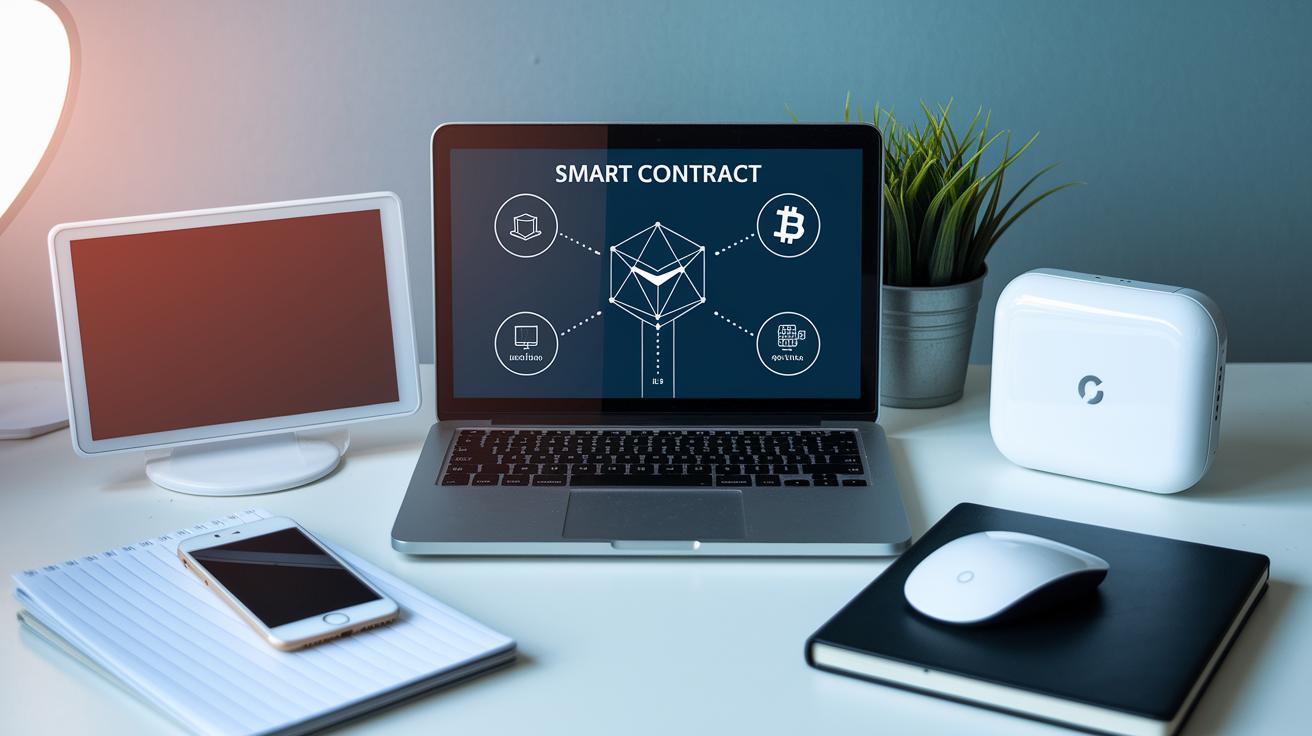
First off, you gotta start by making smart contract logic that’s both secure and automated. Choose a blockchain platform that fits your needs. Developers often write these contracts in languages like Solidity or Move, and they roll them out on networks like Ethereum, BSC, Cardano, or Polkadot. At the same time, setting up your IoT device firmware on platforms like AWS IoT or Azure IoT Hub is key. These IoT hubs use MQTT (a simple messaging protocol) or REST APIs (easy-to-use communication links) to share sensor data. Remember, each transaction might need a little fee paid with a native cryptocurrency.
Next, there’s the testing phase. Developers usually run smart contracts on testnets first, to check for issues and monitor gas usage (the fee you pay for processing transactions) to make sure everything runs smoothly. Tools like Truffle, Hardhat, and the Chainlink SDK lend a hand in making the whole setup process more streamlined.
| Platform | Key Features | Typical Use Cases |
|---|---|---|
| Ethereum | Reliable smart contracts, big community | General decentralized apps, managing supply chains |
| Polygon | Layer-2 scaling, low transaction fees | Handling lots of IoT data events |
| AWS IoT | Device management, secure MQTT | Large-scale enterprise sensor monitoring |
| Azure IoT Hub | Edge modules, auto provisioning | Industrial process automation |
For best results, a modular design in your contracts makes updates and maintenance a cinch, all while keeping risk to a minimum. It’s crucial to secure key management to protect sensitive info and control access. Testing on testnets again and again helps catch issues early before you go live on the main network. This clear, careful approach not only boosts efficiency but also builds trust in how IoT devices and smart contracts can work hand in hand.
Real-World Use Cases of Smart Contracts with IoT

Imagine how everyday supply chains can get a boost from smart contracts paired with IoT. Picture a shipping container with a built-in GPS sensor. When it reaches its port, the system instantly gets the signal and a smart contract releases the payment right away. Now, think about RFID tags on books in a rental system that automatically send data, cutting down on errors in bookkeeping. These examples show how sensor data mixed with blockchain can simplify work, ditch slow manual checks, and help save on costs by turning real-time data into immediate actions.
Insurance and decentralized finance also benefit from this smart tech. Take Arbol’s system for parametric insurance, for example. Rainfall sensors keep an eye on the weather, and when the rain reaches a certain level, a smart contract jumps into action to start processing a claim. This quick move reduces the waiting time you might find with regular insurance claims, making the whole process smoother and more satisfying for customers. In decentralized finance, similar setups use sensor data to verify transactions before any money moves, ensuring every agreement on the blockchain is clear and error-free.
Smart contracts combined with IoT also touch our everyday lives in areas like health, travel, and even the environment. For instance, your fitness tracker might send your daily step count to a smart contract, which then rewards you with tokens for staying active. In the world of mobility, APIs in autonomous vehicles work with smart contracts to make renting a car as easy as pie while handling insurance all on its own. And with emissions tracking, sensor networks record pollution levels in an unchangeable way on the blockchain, ensuring environmental rules are met and rewarding eco-friendly choices. These diverse examples show a world where IoT and smart contracts join forces to make systems more efficient, reduce the need for manual work, and inspire fresh, innovative practical uses every day.
Benefits and Impact of Smart Contracts in IoT Ecosystems

Smart contracts are real game-changers. They help cut costs, streamline daily tasks, and boost security. For instance, one mid-size logistics firm saw a 15% drop in operating costs by linking their IoT sensor data with smart contracts. Imagine a sensor reading that instantly sends a repair order, like having a helper who never sleeps.
They also use digital safety checks to stop any unauthorized changes. This means each transaction happens safely without needing someone to check every step.
Plus, blockchain keeps an unchangeable record of every transaction, making audits and compliance much smoother. For example, an industrial plant achieved a 97% success rate with firmware updates driven by smart contracts. A sensor alert can automatically trigger a check, reducing risks and ensuring safety standards are met.
Challenges and Considerations for IoT and Smart Contract Integration

Scaling a network to handle hundreds or even millions of devices is a real performance puzzle. Picture a factory buzzing with thousands of sensors, each one sending a stream of data every second. Ensuring that the blockchain can process these rapid transactions without slowing down takes constant, careful balancing.
Legacy systems only add to the challenge. Older setups might need extra components like middleware or special API bridges to work properly with new tech. And then there are local rules and regulations that often mean even a well-established plant has to invest in upgrades and extra compliance checks just to let new IoT sensors do their job with smart contracts.
Security and data integrity are top priorities too. IoT devices can be vulnerable to firmware glitches or even physical tampering. Meanwhile, keeping real-time data accurate is crucial for smart contracts to work as intended. Robust consensus methods and strong cryptographic checks help ensure that every transaction is genuine before it becomes a permanent record. In short, every step of the journey from sensor to smart contract needs careful protection against unauthorized access and changes.
Future Trends and Recommendations for Smart Contract–IoT Integration

Smart contract integration with IoT is nearing a turning point. New oracles and cross-chain bridges, think of them as reliable data connectors that help devices talk to each other, are ready to boost how smoothly networks and devices work together. Add Layer-2 solutions, like rollups and sidechains (which help speed up processes by handling extra data off the main chain), and you're looking at a system that can handle lots of IoT events without breaking a sweat. As the industry sets better standards, expect to see creative hybrid integration strategies and flexible ledger technologies that make automation smarter and more efficient.
Looking ahead, here are a few friendly tips to help guide your next steps. Start small by running a few pilot projects; these early tests will give you real insights that make larger rollouts smoother. It’s a good idea to use modular designs when developing contracts so you can easily adjust and scale as needed. And don’t forget security! Build in strong measures like cryptographic access controls and automated, secure firmware updates to keep your ever-changing IoT environment safe. Lastly, keep an eye on regulatory shifts and stay compliant by monitoring new rules. This straightforward approach offers a clear path for anyone excited to embrace the future of smart contract and IoT integration.
Final Words
In the action, this article showed how IoT devices gather data that fuels automated smart contracts using smart contract integration with IoT. You learned how collected sensor data triggers self-executing agreements, forming a secure, transparent ecosystem. Next, we examined architectural models and real-world examples while discussing practical implementation steps. Small challenges lie ahead, but with the right strategies, the future shines bright. Enjoy the promise of a connected world that's secure, efficient, and ready to support bold innovations.
FAQ
What do smart contract integration examples on GitHub show for IoT?
The smart contract integration examples on GitHub show projects where IoT sensor data triggers contract functions through oracles. They demonstrate how platforms like Ethereum can automate transparent data handling in real-world environments.
How do you integrate smart contracts with IoT systems?
Integrating smart contracts with IoT involves coding self-executing agreements on blockchain platforms and linking them to devices. Sensor data is verified by oracles, which then trigger contract functions for automated and secure operations.
How are smart cities integrating IoT, and what challenge does blockchain integration present?
Smart cities integrate IoT by connecting sensor networks to blockchain-based smart contracts that process real-time data. A key challenge in this blend is scaling blockchain networks to handle millions of device transactions effectively.
What is the integration of IoT and blockchain in practice?
The integration of IoT and blockchain links sensor-collected data to a decentralized ledger, ensuring immutability and self-execution. This creates a trusted ecosystem where automated processes meet transparent record keeping.


