
Ever wonder why trading crypto sometimes feels like paying cash for your favorite snack? Spot trading lets you buy or sell coins at their current price, so you get instant results every time. It’s just like handing over cash at your local store, no waiting for the deal to clear. In this article, we dive into how spot trading works and explain why its quick execution makes it a top choice for crypto fans. Let’s explore this fast and straightforward strategy together.
Spot Trading in Crypto: Core Definition
Spot trading in crypto is like paying cash at your favorite store. When you buy or sell digital coins, you get them instantly at the current market price. It’s a simple process: as soon as you place your order, the deal is done, and you have the asset right away, just like when you hand over cash and walk out with your new item.
Imagine you’ve got some Bitcoin and you want to turn it into USD. The moment you click the trade button, the swap happens immediately. Did you know that Bitcoin’s very first spot trade in 2010 happened instantly? This instant action really sets spot trading apart from other types of trading that settle later.
You can choose a market order, where the trade happens at the best price available right then, or a limit order, where you set your own price and wait until the market rises to meet it. In both cases, a matching engine quickly connects buyers with sellers on the platform. This clear, fast method gives you full ownership of your crypto, making it a great starting point for anyone dipping their toes into the digital asset market.
Spot Trading Crypto Mechanics: Execution and Processes
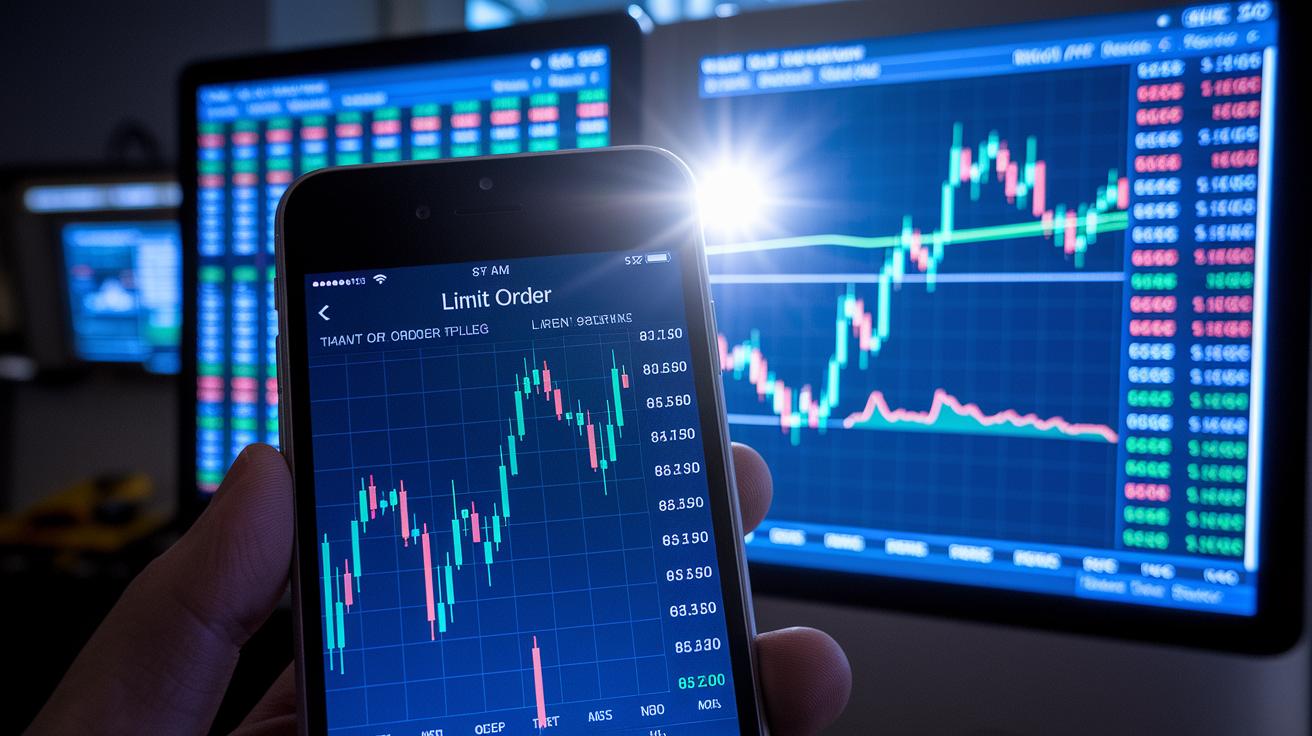
Spot trading is pretty straightforward. Orders show up in an exchange’s book as either market orders, which fill right away at the best available price, or limit orders that only complete when your specific price is reached. Ever heard about the trader who set a limit order during a sudden market dip and then watched in amazement as it hit the exact target price? That’s the magic of the order book, gathering all orders and setting up a quick digital handshake between buyers and sellers.
A matching engine quickly pairs buy and sell orders, almost like a well-timed dance. Once paired, a blockchain or internal ledger updates the records right then and there, so everyone knows who owns what. Here’s how it works:
| Step | Description |
|---|---|
| Order Placement | You submit a market or limit order into the order book. |
| Matching | The engine pairs buyers and sellers almost instantly. |
| Settlement | A blockchain or ledger updates ownership in real time. |
This method keeps spot trading clear and efficient, making sure every trade is handled quickly and with full transparency. It's almost like watching a smooth, coordinated performance where every step counts.
Advantages of Spot Trading Crypto: Liquidity and Simplicity
Spot trading means your order gets filled right away, like stepping into a lively market where you grab your morning coffee without waiting in line. This fast trading method builds plenty of liquidity, imagine a deep pool of buyers and sellers, and every trade is recorded instantly, making everything clear and transparent.
Because you trade directly with cash, you own your asset the moment the trade happens. Think of it as getting an instant receipt at your favorite store. This simple, friendly process works well for both seasoned traders and beginners who want to quickly jump in on short-term price moves.
Risks and Considerations for Spot Trading Crypto

Spot trading crypto means diving into a market that never takes a break. Prices can move very fast, and every second is important. Although getting your orders filled right away sounds great, one small mistake in timing or a slight misread of the market can lead to big price drops. For example, imagine setting up a trade that seems just right, only to see the market drop 8% in a few seconds. That's the kind of wild movement this market can throw at you.
Traders need to be ready for quick ups and downs. Since the crypto market is open 24/7, surprises can catch you off guard any time. Even without using borrowed money to trade, spot trading comes with its own challenges. The speed of the market means you have to keep your eyes on every move because a tiny error or moment of hesitation might result in missing out on the best price.
To help manage these risks, many traders set clear stop-loss orders (automatic sell orders to limit losses) and stay updated on the latest market trends. Still, there's no guarantee of profit because every result depends on how the market moves and the trader's level of skill. In the fast-moving world of digital asset trading, every decision you make counts when the stakes are this high.
Spot Trading Crypto vs Futures and Margin: Key Differences
Spot trading is as simple as paying in cash at your local store. When you buy spot, you pay the full amount and immediately own the asset, just like picking up a snack right off the shelf. You don’t worry about extra fees, borrowed funds, or expiry dates; the trade is finished in one clear, stress-free step.
Futures trading, however, plays by a different rulebook. Here, you agree today on a set price to buy an asset later. It’s like reserving an item and hoping its value moves in your favor over time. Then there’s margin trading, which is much like buying on credit. You use funds that aren’t fully yours, adding a layer of risk because you must also manage market swings and ensure you have enough money to cover potential losses.
- Spot trading means you get your asset immediately, offering a straightforward, cash-only transaction.
- Futures trading delays ownership by agreeing on a price now for something you’ll receive later.
- Margin trading uses borrowed money, making it trickier since you need to keep extra funds on hand.
I once heard a trader say, “Spot trading is like buying your favorite snack with cash, no waiting, no extra fees, just instant satisfaction.”
Getting Started with Crypto Spot Trading: Beginner's Step-by-Step Guide

Imagine signing up for a bank account where every little detail counts, that’s a bit like starting with crypto. First, pick a crypto exchange you can trust. When you sign up, be sure to use a strong password and enable two-factor authentication to keep your account safe.
- Sign up on your chosen crypto exchange. You’ll provide simple details and verify your identity.
- Secure your account. Create a robust password and add extra security like two-factor authentication.
- Link a bank account or credit card. This lets you quickly deposit funds.
- Deposit your cash (like USD or EUR). I once transferred my savings to start trading smoothly, and it made all the difference.
Next, choose your trading pair carefully. For instance, many beginners opt for BTC/USD as it’s familiar and straightforward. Then, decide how you want to buy: with a market order that executes immediately at the current price, or a limit order where you set the price that suits you.
- Select a trading pair based on your goals, such as BTC/USD or ETH/EUR.
- Place your order. Pick either a market order or a limit order to execute your purchase without leverage.
Before you make your first trade, take a moment to explore any educational materials on the platform and try a practice trade if you can. This approach builds your confidence while keeping your strategy focused on buying crypto without leverage.
Choosing a Crypto Spot Exchange: Platform Selection and Best Practices
When you're picking a crypto spot exchange, it pays to look for platforms with sizable order books. This just means there are plenty of buyers and sellers, which helps you make quick trades and enjoy steady prices. A fast matching engine is key, it pairs orders almost instantly so you don’t miss out on market moves.
Security should always be front of mind. I mean, you want an exchange that treats your assets like cash stashed safely in a secure safe. Look for one that uses strong methods to manage custody and process withdrawals. Plus, clear fee structures matter. When you can see exactly what you'll pay for each trade without any hidden extras, it’s a win.
Regulatory compliance is another good sign, it shows a platform is reliable. Additionally, check out the educational resources and customer support. These hints of care can really help you understand the ropes of spot trading, especially on busy days.
- Go with an exchange that offers deep liquidity.
- Make sure the matching engine is quick.
- Confirm that fees are transparent and security is solid.
- Test the quality of available educational materials and customer support.
Choosing the right platform can make your trading experience feel smoother and safer. Taking the time to review each exchange’s features helps you dodge surprise costs and builds your confidence in the fast-moving crypto space.
Final Words
In the action, our outline took you from the clear definition of what is spot trading in crypto to the real-time mechanics behind order matching. We covered how liquidity and simplicity make spot trading attractive, balanced by the risks traders face. The post then compared spot trading to futures and margin, and wrapped up with practical steps to start and choose the right platform. The conversation remains grounded in data and human insight, making the complex world of crypto a bit more approachable. Stay confident and curious as you explore these markets.
FAQ
Q: What is spot trading in crypto wallet, on Binance, or in a crypto app?
A: Spot trading involves buying and selling cryptocurrencies instantly at the current market price. Whether on a wallet, Binance, or through an app, you exchange assets immediately without waiting.
Q: What is future trading in crypto?
A: Future trading is engaging in contracts to buy or sell cryptocurrencies at a set price on a later date. This method often uses leverage and does not grant immediate asset ownership.
Q: How does spot trading work in crypto?
A: Spot trading works by placing market or limit orders that are matched in real time. When orders meet the current price, the trade executes immediately, transferring digital assets instantly.
Q: What is an example of spot trading?
A: An example of spot trading is purchasing Bitcoin with USD on an exchange, where the Bitcoin is transferred to your wallet immediately once the order is filled.
Q: Spot trading vs futures trading crypto—what are the differences?
A: Spot trading involves immediate asset exchange and full ownership, while futures trading uses contracts for later settlement with leverage, adding more complexity and risk.
Q: Is crypto spot trading profitable and can I make money with it?
A: Crypto spot trading can be profitable if you time trades well and understand market trends, though success relies on careful analysis and there are no guaranteed profits.
Q: Is spot trading halal?
A: Some scholars view spot trading as halal since it involves immediate exchanges without interest; however, opinions differ, so it’s wise to consult knowledgeable sources for personal advice.
Q: Is crypto spot trading risky?
A: Crypto spot trading is risky due to high volatility, where rapid price swings can impact gains. Managing risk with thorough research and good strategies is essential.


