
Ever wonder if your computer could help you earn extra cash? A crypto mining rig isn’t just a pile of parts; it's the engine that powers digital rewards. In the early days, folks used basic desktops. Now, miners rely on specialized equipment like GPUs (graphics cards that speed up computations) and ASICs (devices built specifically for mining) to solve tricky puzzles and keep the blockchain secure.
Imagine your mining rig as a well-tuned engine, every modern part works together to boost performance and potentially raise your profits. Ever notice how small tweaks can lead to big changes? Upgrading your setup might feel a bit like transforming your everyday energy bill into a source of digital rewards.
Stay with us as we break down how building an efficient mining rig could reshape your costs into valuable digital returns.
Overview of a Crypto Mining Rig: Function and Evolution
Imagine a computer built just for mining cryptocurrencies. This device checks blockchain transactions by solving tricky math puzzles that keep digital ledgers secure and networks running smoothly. In fact, back when things were simpler, even a basic desktop could join the network as a mining rig. Unlike everyday PCs, these rigs use special hardware and software designed only for verifying data.
When a miner figures out one of these puzzles, they win rewards in bitcoin or other cryptocurrencies, and in doing so, they secure a new block on the blockchain. This reward system drives miners to continuously upgrade their equipment so that they can solve puzzles faster. Often, miners reinvest some of their earnings to buy better gear, turning energy costs into part of a profitable cycle. It’s a bit like a win-win loop: better tech means more rewards, which then help pay for even more improvements.
Mining technology has come a long way. In the early days, enthusiasts used the standard processors found in laptops and desktops. Soon, they switched to GPU mining, which boosted performance and speed like a breath of fresh air. Today, many turn to ASIC miners, devices built specifically for working with the SHA-256 algorithm. These machines achieve high performance and use energy efficiently. This progression highlights how modern hardware upgrades are key to boosting profitability and return on investment for crypto miners.
Crypto Mining Rig Key Hardware Components for Top Performance
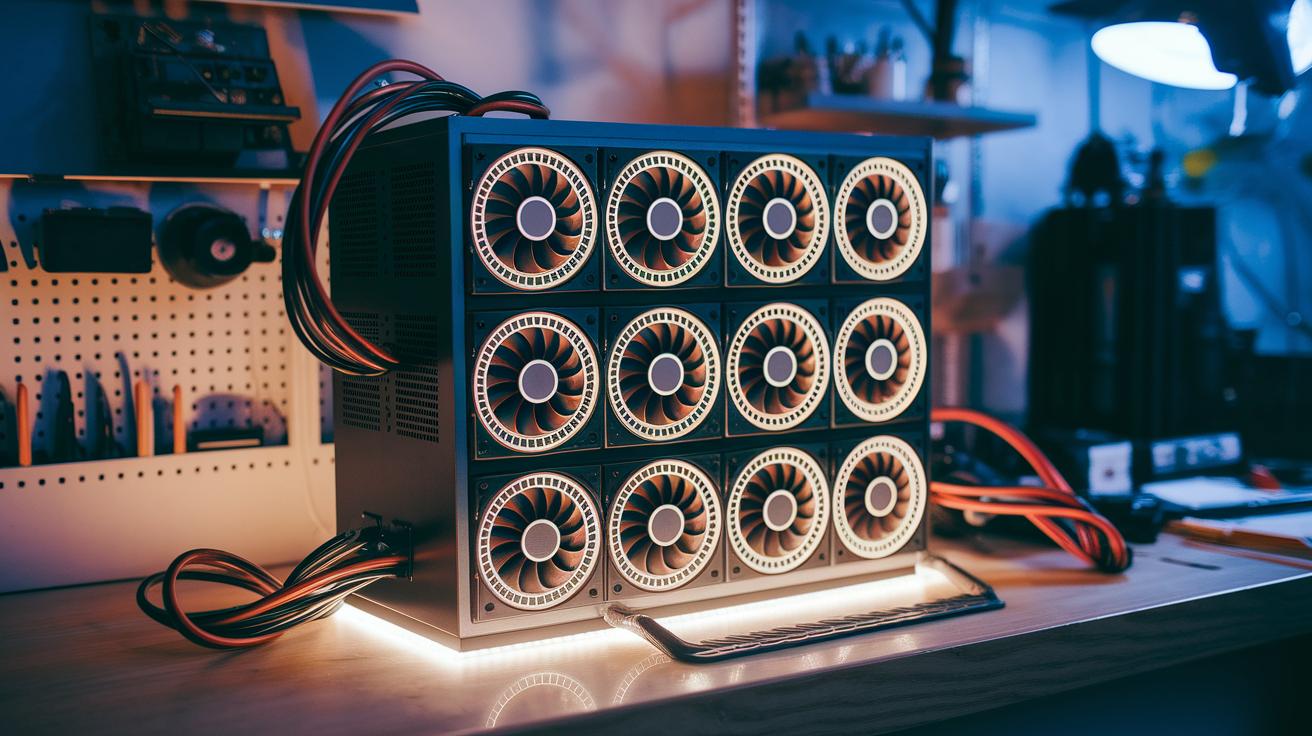
A well-built crypto mining rig starts with a reliable base of essential parts. You'll need a multi-slot PCIe motherboard, a matching CPU, 8–16 GB of RAM, SSD storage, and power supplies that are at least 1.2 times your rig’s total draw. These pieces work in harmony to support both regular GPUs and specialized ASIC units. Picking each component with care ensures your system stays stable and handles long mining sessions without overheating.
When diving into profitable coin mining, ASIC miners really take center stage. They offer impressive performance, and each model brings its own strengths. For instance, the Bitmain Antminer S21e XP Hyd hits an eye-popping 860 TH/s while drawing 11,180 W at 13 J/TH, starting at about $17,000. Similarly, the Bitmain Antminer S21 XP+ Hyd reaches 500 TH/s at 5,500 W with 11 J/TH and starts from around $12,700. The Auradine Teraflux AH3880 delivers 600 TH/s at 8,700 W with 14.5 J/TH starting at roughly $7,800, while the Bitdeer SealMiner A2 Pro Hyd offers a balanced mix with 500 TH/s at 7,450 W and 14.9 J/TH, costing about $3,958. Fun fact: the Bitmain Antminer S21e XP Hyd demonstrates performance levels that once seemed out of reach for a single rig.
| Model | Hash Rate (TH/s) | Power & Efficiency (W / J/TH) | Price (USD) |
|---|---|---|---|
| Bitmain Antminer S21e XP Hyd | 860 | 11,180 / 13 | $17,000+ |
| Bitmain Antminer S21 XP+ Hyd | 500 | 5,500 / 11 | $12,700 |
| Auradine Teraflux AH3880 | 600 | 8,700 / 14.5 | $7,800+ |
| Bitdeer SealMiner A2 Pro Hyd | 500 | 7,450 / 14.9 | $3,958 |
Matching the right hardware with your target coin algorithm and return-on-investment expectations is key. Before finalizing your design, think about how each part’s performance, power use, and cost sync up with your long-term mining goals. This thoughtful approach helps ensure that your mining venture is built on solid, sustainable ground.
Step-by-Step DIY Assembly Guide for Your Crypto Mining Rig
Getting your crypto mining rig up and running can feel like a fun project when you take it one step at a time. Follow this friendly eight-step guide to move from setting up your hardware all the way through to booting up your mining software. Take your time with each step and check that every piece is secure, so your system runs smoothly.
- First, set up your rack or frame and firmly mount the motherboard. This step lays the foundation for everything else.
- Next, insert your GPUs or ASIC units into the PCIe slots. Make sure each card is seated well so they stay in place.
- Then, attach the 6- or 8-pin power cables from your power supplies to all your components. This ensures every part gets a steady flow of power.
- Now, secure your SSD and RAM modules onto the motherboard. Confirm they’re properly in place to avoid any future hiccups.
- Add your cooling fans or hydro jackets next. Good cooling is key to keeping temperatures in check during long mining sessions.
- After that, organize and tidy your cables. A neat setup helps keep the air flowing, which is crucial for preventing overheating.
- Enter the BIOS to enable 4G decoding and set the correct PCIe generation to match your hardware’s needs.
- Finally, install your mining operating system and drivers. Run some initial diagnostics to make sure every part is recognized and working as expected.
Once everything is set, run a short stress-test to check that all devices appear in the BIOS and your hash rate meets expectations. This step-by-step process not only builds stability into your rig but also makes it easier to troubleshoot any issues right from the start.
Common issues you might encounter include:
- Undervolted GPUs: Adjust the voltage in the BIOS to match recommended levels.
- Loose power connectors: Reseat all connections to stop any interruption in power.
- Improperly seated cards: Remove and reinstall any cards that aren’t securely fitted.
- Blocked airflow: Reorganize your cables and clean your cooling fans to improve ventilation.
- Software misconfigurations: Double-check BIOS settings and driver installations to ensure smooth operation.
Take a deep breath and enjoy the process. Think of it like piecing together your favorite model kit, each step builds toward a rewarding, well-performing machine. Happy mining!
Optimizing Cooling and Energy Efficiency in Crypto Mining Rigs
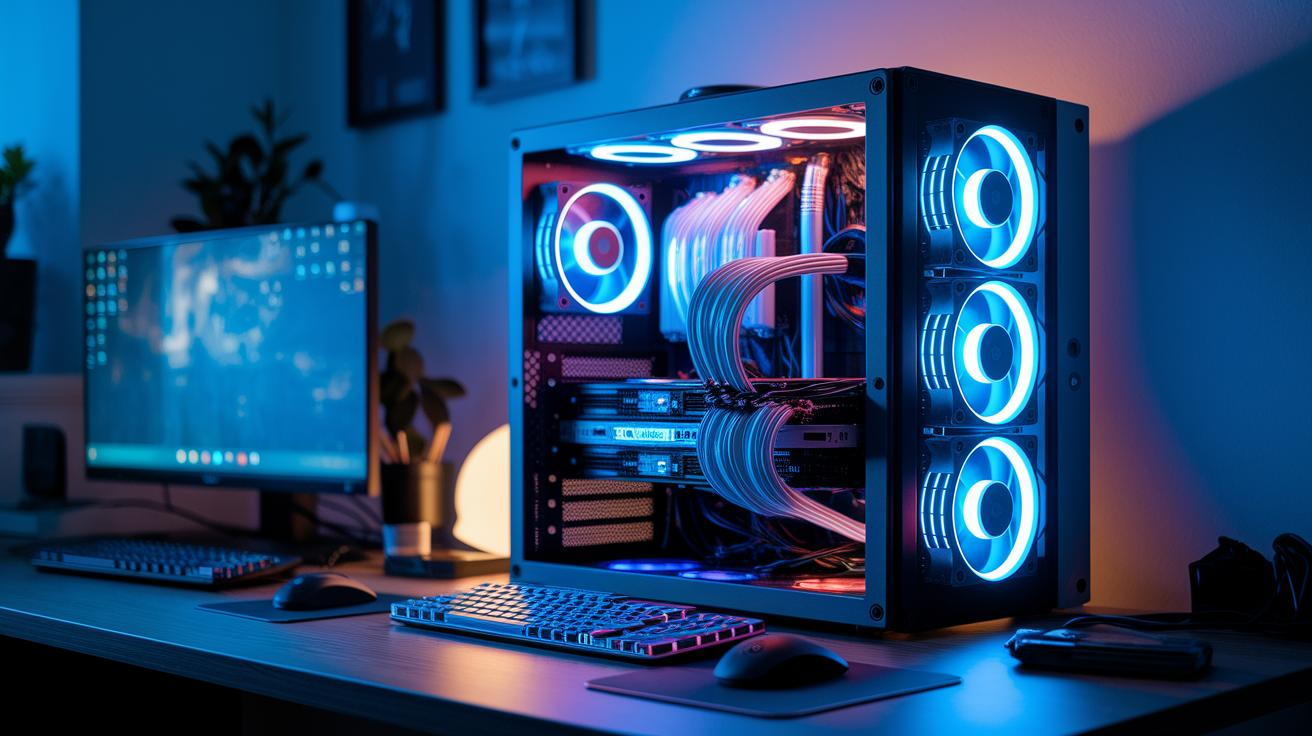
When you're setting up a mining rig, you really have three cooling choices: air, liquid, and hydro cooling. Air cooling uses fans to drive regular room air over your parts, but after hours of mining, it can just not keep up with the heat. Liquid cooling, often with closed-loop systems for GPUs, does a great job at keeping temperatures below 70 °C. Then there’s hydro cooling, like what you'll find in the Antminer XP Hyd series, which can drop ASIC temperatures by 10 to 15 °C and runs at a gentle 50 dB noise level.
We measure mining efficiency by looking at joules per terahash (J/TH), which simply shows how much energy is used for each unit of work. Top ASIC models hit around 13 J/TH or even lower, and it's best if they stay under 15 J/TH. This lower number means you're getting more mining done for every bit of power you spend. Quiet operation matters too, because it keeps your mining environment from sounding like a busy construction site.
Adding renewable energy sources, like solar or wind, can really help cut down on your power bills while keeping things green. It’s a smart way to balance cooling, efficiency, and overall expenses to reach long-term profitability. For more on how to weave renewable energy into your mining setup, you might want to check out this piece on the future of energy production (https://microcapnews.com/?p=1447).
Calculating Profitability and ROI for Your Crypto Mining Rig
Figuring out how much profit you can make from your crypto mining rig is all about balancing a few key parts. You start with what you paid for the rig, the speed at which it processes calculations (hash rate), the power it uses, your local electricity cost (like $0.10 per kWh), and how tough the whole network is to mine on (network difficulty). A handy way to think about it is: Daily Profit = Daily Earnings minus Daily Power Cost. This simple idea lets you see how each piece plays a part in your overall earnings.
Take the Antminer S21e XP Hyd for example. This rig uses 11,180 watts, a number that turns into about $26.80 a day in power costs if you’re paying $0.10 per kWh. With current bitcoin prices, it earns roughly $60 each day. So, after paying the electricity bill, you’re looking at a net take-home of around $33 every day. It’s clear how every bit of hardware performance can affect what you end up with.
Now, here’s something to think about: future yields. Most miners expect that, on average, network difficulty will rise about 5% each month. This means your daily earnings might slowly decline as mining gets tougher. Adjusting your forecasts for these rising challenges helps you decide if it's time to reinvest in better hardware or hold steady. It’s a smart move to plan ahead, so you’re not caught off guard when things slow down.
And, don’t overlook taxes. When you mine coins, they’re considered income as soon as you get them. Later, if you sell these coins, you might owe capital gains tax. Making sure you include these tax details in your overall plan is crucial for working out when you'll break even. Keeping a regular eye on both your costs and income lets you tweak your strategy as market conditions and tax rules shift.
Maintenance, Firmware Updates, and Troubleshooting for Crypto Mining Rigs
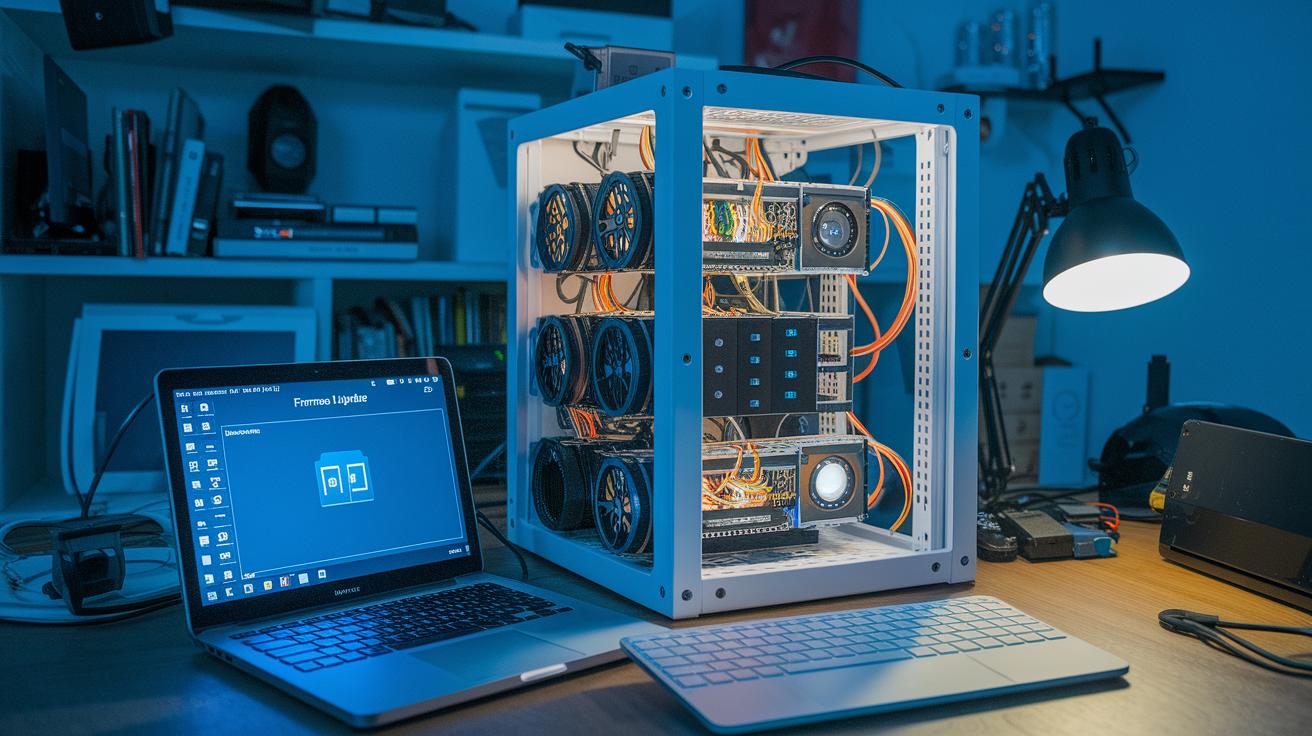
Keeping your mining rig in top shape is like giving it a regular health check. Updating your firmware is a simple step that makes a big difference. Many major ASIC brands roll out new firmware every 3 to 6 months to boost stability and optimize your hash rate (that’s the speed at which your rig solves digital puzzles). When you see a new update on the manufacturer’s dashboard or in official communications, take a moment to reflash your firmware. Doing so can stop small glitches from sneaking in and turning into bigger issues later.
It also helps a lot to keep an eye on your system logs. Use basic diagnostic tools to check for temperature spikes, drops in hash rate, or any network problems that pop up. Regularly reviewing these details, whether through built-in dashboards or open-source tools, lets you spot early signs of trouble. It’s a bit like noticing a tiny leak before it becomes a flood, ensuring each part of your rig is performing as it should and cutting down on unexpected downtime.
Don’t forget, preventive maintenance not only keeps your equipment running longer but also helps protect your investment. Clean dust filters and fans every 4 to 6 weeks, and if you use hydro cooling, check the coolant levels every couple of months. Take a quick look at your power supplies for any voltage drops, and make sure all cards sit snugly in their slots. And if you notice a fan acting up or clocks getting misconfigured, reseat the hardware or reflash the firmware as needed. These regular checks and small fixes will help keep your yield forecasts on track and your mining operation profitable over time.
Final Words
In the action, this piece breaks down building a crypto mining rig, from its evolution and key hardware components to a step-by-step DIY assembly guide. It explains cooling options and energy efficiency solutions in clear, simple terms and walks you through projecting profit with ROI and yield models. Plus, it shares maintenance tips and troubleshooting fixes that keep your system humming smoothly. Every section is designed to give you a clear picture while making the daunting process feel more approachable and positive.
FAQ
What does “crypto mining rig for sale” mean?
The term “crypto mining rig for sale” means systems built to mine digital currencies are available for purchase. These rigs come with specialized hardware designed to validate blockchain transactions quickly and efficiently.
What should beginners know about crypto mining rig options and pricing?
The phrase “crypto mining rig for beginners” suggests user-friendly systems that balance cost and performance. Pricing varies based on hardware quality and capacity, so careful research is key before investing.
How does crypto mining rig profitability work?
The query “crypto mining rig profitability” means estimating potential earnings by comparing rewards with electricity and hardware costs. It uses performance factors like hash rate and power consumption to gauge the return on investment.
What defines the best crypto mining rig and how can community insights help?
The term “best crypto mining rig” points to models optimized for efficiency and high output. Community platforms like Reddit offer real-world reviews and practical assembly advice to help choose the right setup.
What does a crypto mining calculator do in mining operations?
The phrase “crypto mining calculator” means using a tool that assesses potential profits by inputting factors like hash rate, electricity costs, and network difficulty, enabling you to estimate expected returns reliably.
Is a crypto mining rig worth the investment?
The query “is a crypto mining rig worth it” means weighing initial expenses against potential earnings. Profitability depends on hardware efficiency, electricity costs, and current market trends in the cryptocurrency world.
How long does it take to mine $1 of Bitcoin with a crypto mining rig?
The question about mining $1 of Bitcoin indicates that time depends on rig performance, network difficulty, and current Bitcoin value, with results varying from a few minutes to over an hour.
How much money can a crypto mining rig typically make?
The query “how much money can a crypto mining rig make” means that earnings vary widely by system efficiency, electricity rates, and market conditions, with some rigs earning modest daily profits and others generating more significant returns.
Is crypto mining still profitable today?
The phrase “is crypto mining still profitable” means profitability relies on market values, power costs, and the efficiency of your hardware, requiring updated calculations to decide if it’s a viable investment.
What roles do Bitmain, NiceHash, Binance, Coinbase, Genesis Mining, and Goldshell play in crypto mining?
The query regarding these names encompasses industry roles, with companies like Bitmain and Goldshell manufacturing hardware, while NiceHash, Binance, Coinbase, and Genesis Mining offer cloud mining, trading platforms, or managed mining services.


